
Basements That Look Finished Without Full Renovation
Ceiling Tile in Arden for mountain home basements with water-stained or damaged drop ceiling panels
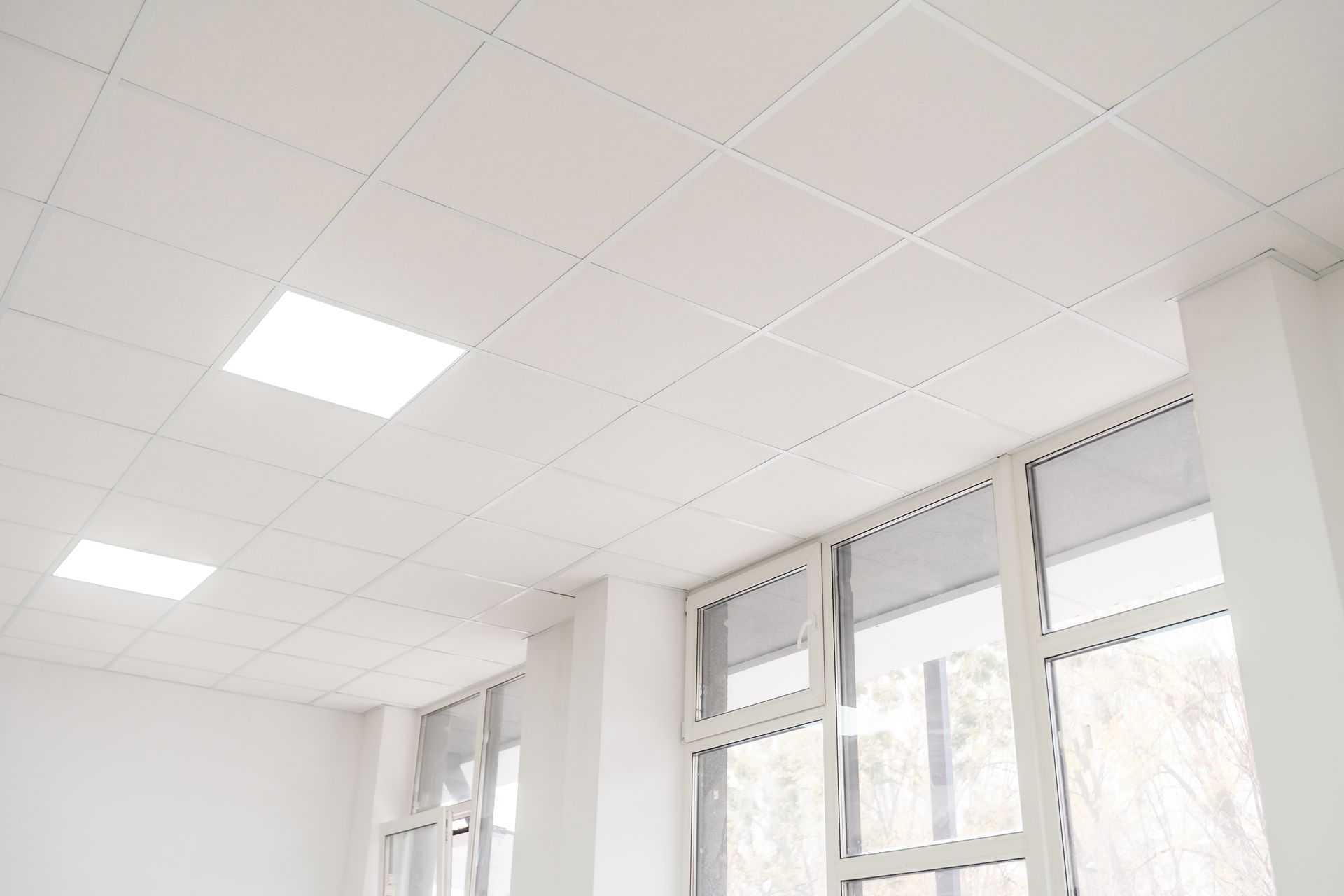
Mountain home basements in Arden deal with moisture issues that show up first in ceiling tiles—brown water rings from condensation lines, cracked panels from settling, or warped sections near utility connections. Handyman Service Arden handles both complete drop ceiling installations and individual tile replacements, giving you the option to refresh a few damaged panels or install an entirely new suspended grid system. With five decades of residential ceiling work, the approach adapts to whether you need two replacement tiles or a full basement transformation.
Drop ceilings work particularly well in mountain home utility areas because they provide access to plumbing, electrical runs, and HVAC ducts while hiding the mechanical chaos overhead. When a single tile gets stained from a slow leak or cracks during a pipe repair, you don't need to replace the entire grid—just swap out the damaged sections. Full installations involve setting the perimeter track level, hanging the grid wire at proper intervals, and inserting tiles into a framework that compensates for irregular floor-to-joist measurements common in older mountain properties.
Schedule a basement assessment to determine whether tile replacement or full installation fits your situation.
What Proper Ceiling Tile Work Requires
Replacing individual tiles means matching the existing grid size—most residential systems use either 2x2 or 2x4 panels, and the texture and thickness must align with surrounding tiles to avoid a patchwork appearance. Full installations require establishing a level plane across the room using laser or water levels, then hanging support wires from joists at intervals that prevent sagging in the middle of long runs. Arden basements often have ductwork or beam obstacles that require custom grid cuts and shorter panel sections.
Once the work finishes, you see a uniform ceiling surface that hides utilities while remaining accessible—lift any tile to reach pipes or wiring without cutting drywall or patching holes. Stained tiles that previously drew attention disappear into a clean grid, and new installations transform unfinished basement spaces into usable rooms with defined overhead boundaries. The grid itself stays adjustable, so future repairs or modifications don't require demolition.
The service covers tile supply, grid installation or repair, and leveling adjustments, but does not include structural joist repair, mold remediation behind existing tiles, or electrical work for recessed lighting integration. Tile selection depends on your moisture exposure—standard tiles work in dry basements, while moisture-resistant panels handle areas near laundry equipment or water heaters.
What Homeowners Ask About Ceiling Tile Work
These questions come up regularly when property owners evaluate ceiling tile options for mountain home basements and utility spaces.
How do you match replacement tiles to an existing grid?
The grid size determines compatibility—2x2 and 2x4 are standard residential dimensions, and tile thickness typically ranges from half-inch to five-eighths depending on the system age. Bringing a sample tile helps identify the correct match for texture and edge profile.
What causes ceiling tiles to stain or warp in Arden basements?
Condensation from temperature differentials between heated interior spaces and cold exterior walls often creates moisture that drips onto tiles, while direct water contact from plumbing leaks produces brown staining that doesn't wash out. Both situations require replacing the affected tiles after addressing the moisture source.
When does a full installation make more sense than replacing individual tiles?
If more than a third of your tiles show damage, or if the existing grid has rust or sag issues, installing a new system costs less than piecing together an old framework. Full replacement also lets you switch tile styles or adjust ceiling height.
How long does drop ceiling installation take for a typical basement?
Room size and obstacle complexity determine the timeline—an open 400-square-foot space with minimal ductwork generally takes one to two days, while areas with numerous pipes, beams, or irregular room shapes extend the work. Individual tile replacement often finishes within an hour.
What should I do if tiles keep getting damaged in the same spot?
Recurring damage usually points to an ongoing moisture problem—a slow drip from a pipe joint, condensation forming on cold ductwork, or humidity buildup from inadequate ventilation. Replacing tiles without fixing the source just creates a cycle of repeated staining.
Handyman Service Arden brings 50 years of building experience to residential ceiling systems, handling both emergency tile replacements and planned basement finishing projects. Request a project estimate to review your current ceiling condition and discuss installation or replacement options.