
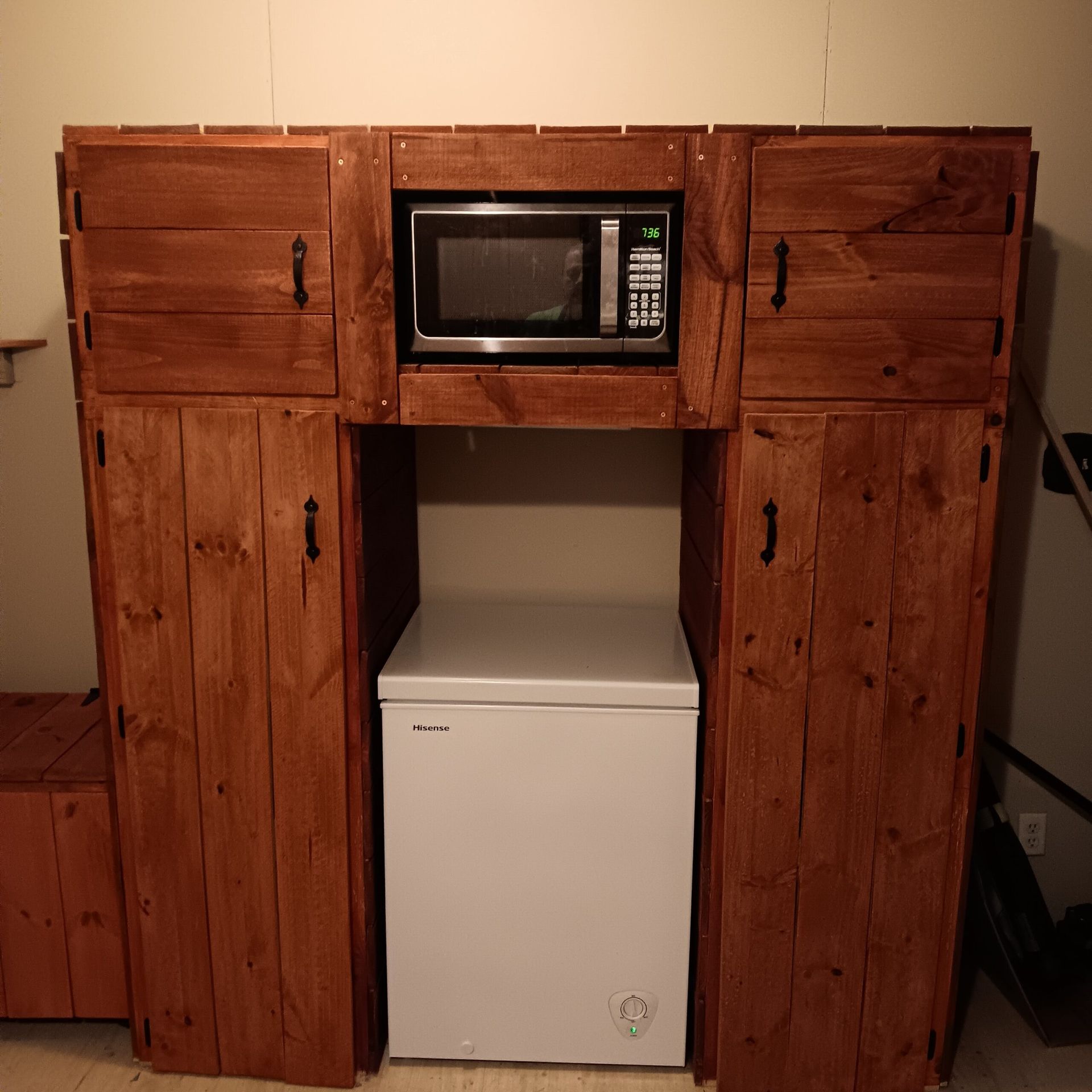
Wood Finishes That Handle Climate Cycles
Wood Staining in Arden for decks, railings, and trim exposed to mountain weather
Decades of wood finishing work in mountain climate conditions means understanding when wood surfaces need complete strip-and-restain versus when clean-and-recoat produces better results for your specific situation. The Handy Vet Handyman Services adapts technique to what the existing stain condition and wood surface actually need rather than applying one approach to every project. Mountain humidity and temperature cycling create ongoing wood maintenance demands in Arden, breaking down stain protection and exposing wood fibers to moisture damage if finishes aren't maintained appropriately.
The decision between stripping old stain completely or cleaning and recoating depends on how well the existing finish adheres, whether it's peeling or just faded, and what the wood grain condition shows underneath. Surfaces with failing stain that's lifting or cracking require full removal before new coats will bond properly, while faded finishes still adhering well respond to cleaning and fresh topcoats without the labor and expense of complete stripping.
Request a wood surface evaluation to determine which staining approach your project needs.
What Changes After Stain Application Completes
Strip-and-restain work involves removing old finish down to bare wood using appropriate strippers or sanding, cleaning away residue, then applying new stain and protective topcoats in proper sequence with adequate drying time between applications. Clean-and-recoat projects use specialized cleaners removing surface grime and mildew without disturbing bonded stain underneath, followed by fresh protective coats restoring appearance and weather resistance. The chosen method matches what your wood condition actually requires for lasting results.
Once staining work finishes, wood surfaces show restored color depth and even tone without blotchy areas or streaking from improper application. The grain pattern appears clearly through transparent or semi-transparent stains, and the surface feels smooth without rough patches where old finish was incompletely removed. Water beads on properly sealed wood instead of soaking in, and the finish withstands temperature swings and humidity changes without immediate peeling or cracking because the preparation matched the surface condition.
The Handy Vet Handyman Services brings practical experience choosing the right technique for each wood surface rather than forcing every project through identical processes. The approach prioritizes lasting protection suited to mountain exposure while respecting your budget by avoiding unnecessary stripping when surfaces don't require it.
Common Questions About Wood Staining Projects
Property owners usually want to understand technique selection and maintenance expectations before committing to wood staining work.
How do you determine whether wood needs stripping or just recoating?
The existing stain's adhesion, peeling extent, and overall condition determine the approach—well-bonded faded stain gets cleaned and recoated while lifting or cracking finish requires removal to bare wood.
What wood surfaces benefit most from staining in Arden's climate?
Horizontal surfaces like deck boards and railings exposed to weather cycles need regular stain maintenance more urgently than vertical siding, since horizontal grain holds moisture longer and breaks down finishes faster.
How long does stain need to dry between coats and before use?
Drying time depends on stain type, temperature, and humidity levels during application, with most products requiring 24 to 48 hours between coats and longer cure times before heavy use.
What causes uneven stain appearance on wood surfaces?
Inadequate surface prep leaving mill glaze, resin, or old finish residue prevents even stain absorption, creating blotchy results that proper cleaning or stripping would have avoided.
When does wood staining work best during mountain seasons?
Spring and fall offer moderate temperatures and lower humidity ideal for stain application and curing, avoiding summer moisture and winter cold that interfere with proper finish bonding.
The Handy Vet Handyman Services provides straightforward recommendations based on what your wood surfaces actually show during inspection, backed by liability insurance and veteran-owned reliability. Schedule an assessment to discuss the most practical staining approach for your specific wood condition and exposure.